Exploring My Roots
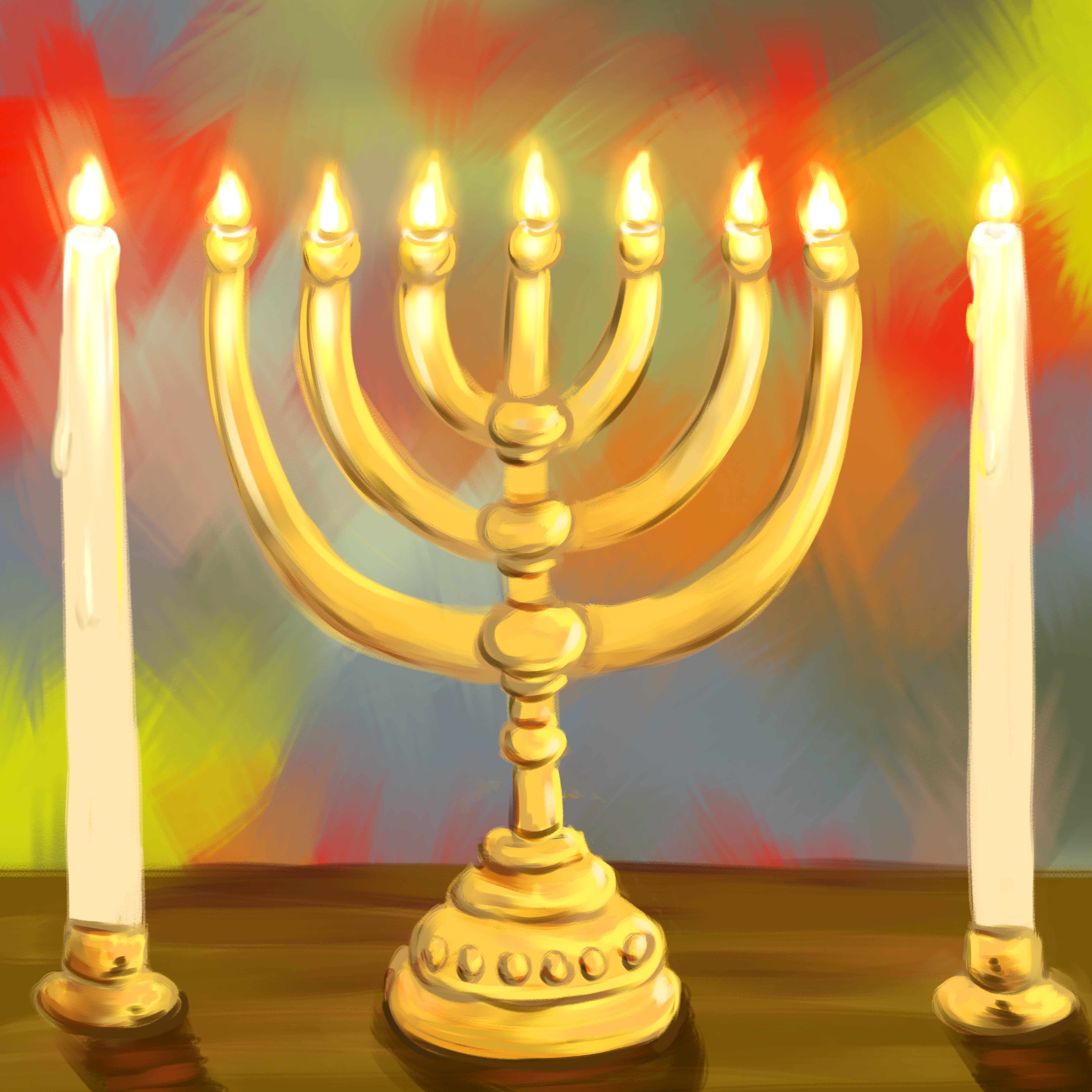
As I mentioned in my last post, I was raised half Jewish- not kosher, certainly not Orthodox. My father is Jewish; my stepmother is Catholic. Growing up, we celebrated Chanukah (sometimes) alongside Christmas, though Christmas didn’t really resonate with me as I got older. What did stay with me- was my dad saying the blessing before lighting the Chanukah candles.
In that moment, there was a small but real sense of belonging, like being connected to something older and deeper. Amid the holiday noise and rush, I was craving that grounded feeling.
I had recently discovered the Messianic Jewish movement, and because I was “half-Jewish” I felt both allowed and led to explore my roots more intentionally. But being who I am- detail-oriented, pattern-seeking, deeply interested in history- I needed to do it right. I spent a few weeks researching Scripture and historical context. Once I started digging, I realized the story was far bigger than the surface-level version I had always known.
I knew the basic meaning: the oil lasted eight nights, and that was a miracle. But the story actually begins centuries earlier.
Chanukah’s Origins
After the Second Temple was built- after the “Old Testament” period, (or during what studiers might know as “the 400 years of silence”) Alexander the Great made peace with Judea and Greek culture slowly began influencing Jewish life. Over time, that influence led to heavier taxation, corruption and pressure to assimilate. After Alexander’s death, his empire fractured, and two of his generals’ kingdoms fought over territory, with Yisrael caught in the middle.
In 168 BC, the Seleucid king Antiochus marched into Jerusalem. He outlawed Torah practices, desecrated the Temple by sacrificing a pig on the altar, and forced the people to adopt Hellenistic customs. Many complied out of fear- but not everyone: Enter the Maccabees.
An elderly priest named Mattathias and his five sons refused to compromise. What began as faithful resistance became full blown rebellion. Judas Maccabee, the eldest son, led a small, untrained force against an army of roughly sixty thousand seasoned soldiers. By every human measure, they should have been crushed. But they weren’t. With God on their side, they were victorious.
When Jerusalem was reclaimed and the Temple cleansed, only one sealed flask of consecrated oil was found- enough for a single night. Yet it burned for eight, long enough to prepare new oil; the command given to the Yisraelites to keep the oil in the Menorah burning continually (Exodus 27:20-21 & Leviticus 24:2-4)
Chanukah commemorates the miracle of the oil, but it also marks something deeper: the courage to obey when obedience is costly, the refusal to trade faithfulness for safety and the endurance of a people who chose covenant over compromise.
Learning that story didn’t just teach me history; it forced me to reconsider what real faithfulness actually looks like.
Knowing Better- and Doing It Anyway
I’ll admit, I didn’t really know where this was going. I simply wanted to celebrate the eight nights faithfully. Someone gifted me a Chanukah set. I re-learned the prayers, planned the meals. I love to cook, so I was determined to make a proper Jewish brisket for my husband. I was genuinely excited.
The night before the first night, I had been driving home after an exhausting evening of Christmas worship-team practice at church when I felt the urge to stop at the store. As I got closer, I told myself to calm down- that I could go the next day. I was tired, irritable, and didn’t want to interact with anyone else. Still, the entire drive home, the urge lingered, “Go back”, nagging and persistent.
By this point in my walk, I had started paying attention to those promptings, having noticed a pattern: they often led me to something I didn’t yet realize I needed. But that night, I ignored it. I was simply too tired.
When I went to the store the next day- there was no brisket left. I kicked myself.
Other cuts of beef were far outside my budget. I already had red wine, so I wanted red meat. I found myself standing in the meat aisle, staring at the pork section, frozen there for several minutes.
I debated. I pulled out my Bible app and read Acts 10. I searched online. I thought, Everything is clean… right?
But deep down, I knew something felt wrong. Celebrating a holiday born out of resistance to desecration by pigs… by eating pig… felt disturbing. Still, I pushed the discomfort aside. I leaned on Peter’s vision to quiet my conscience and bought half a pork butt.
I went home, cooked the meal, lit the candles on the first night of Chanukah, fried latkes. Honestly, everything tasted great.
That night I broke out in hives- everywhere. The next day I took Benadryl and decided maybe I shouldn’t eat pork again that week. My skin began to clear.
The second night, I didn’t touch it. I remember thinking, There’s no way this is a coincidence.
And yet, the following day, I opened the container of leftovers and just stared at it. Was it really that serious? I already knew the answer- and I ate a piece anyway. The regret was immediate.
I finally understood Paul’s words: “Oh wretched man that I am!” I felt wretched.
Being Held Accountable
By that evening, the hives returned worse than before. We tried everything: allergy medicine, lotion, itch cream, aloe. Nothing helped. They lasted the whole week, we missed the christmas concert (even after it was rescheduled due to sickness going around) and eventually I had to go in and get a steroid shot.
I felt as though God was disciplining me for going against my conviction. My thoughts drifted to the Yisraelites struck with skin afflictions after disobedience.
I mean… I had asked for undeniable conviction. So, I guess be careful what you pray for, because He will give it to you.
And when He does, it’s not always comfortable, not always convenient and definitely not always what we expect. Sometimes, it comes through small, undeniable nudges. Sometimes, through a much more noticeable sting that makes you pause and reconsider.
And I’m not saying everyone will have this experience. Personally, I think this happened because I did know better. I was studying my Jewish roots, I knew what Kosher meant, and even though I didnt know Torah yet, I knew pigs were not clean. I started out with information that most Christians dont have. So, I feel I was held accountable for what I knew.
In the end, conviction is not punishment- it’s guidance. It’s a call to align, to obey and truly walk in faithfulness, even when every part of your flesh resists.
And so my journey into truth began.
Leave a Reply