-
Romans 2
Introduction After exposing the outward rebellion and idolatry of the nations in Romans 1,…
-
Romans 5
Introduction In Romans 4, Paul showed that righteousness has always been credited by faith,…
-
Romans 6
Introduction In Romans 5, Paul showed how Messiah brings restoration: where humanity fell under…
-
Romans 9
Introduction Paul has shown that life in the Spirit brings transformation, sonship and hope…
-
Romans 10
In Romans 9 Paul highlights God’s sovereign role in fulfilling His covenant purposes. Yisrael…
-
Romans 15
In Romans 14, Paul addresses disagreements among believers over food, days, and personal convictions,…
Study Series: Romans
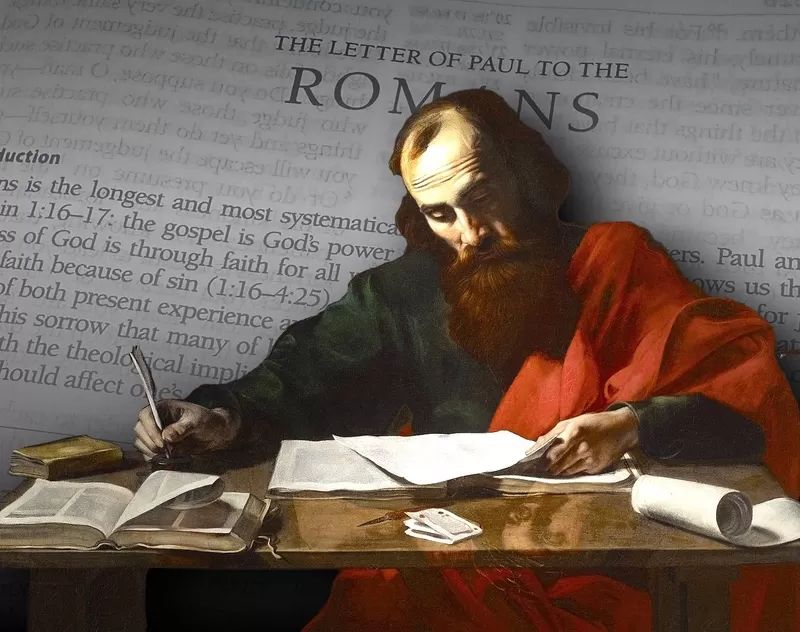
This series explores Paul’s letter to the Roman believers with guidance from YHVH Rauch, the Spirit of God. Here you’ll find insight into Hebrew and Greek context, historical background and Paul’s intended meaning of Torah and faithfulness in Messiah. Each post is designed to help you understand Paul’s teaching clearly, separating cultural assumptions from divine instruction, so you can walk in obedience and truth.
Note: Words are bolded for definitions, and brackets indicate words or phrases not in the Greek text but appear in english.
We use “Yeshua Messiah” rather than the Greek “Iesou Christos” (Jesus Christ).
When Paul says “the Law” meaning Torah (the righteous instruction and guidelines of YHVH) we refer to it this way. This helps clarify his letters.
When Paul uses “we, our, us”, he refers to Jewish believers; “you, yours” refers to the Roman Gentile believers.
Context for Romans
Romans comes first in Paul’s letters not because it was written first, but because it provides a systematic foundation. Historically, it was written near the end of Paul’s missionary work, after years of teaching Gentiles in person (Galatians was most likely written first, around Acts 13–14).
Rome likely learned of The Way through Jewish pilgrims returning from Shavuot (Acts 2) and Paul’s reputation. Without proper Apostleship, the community developed mixed theology and practice.
Paul is not giving beginner instructions; he is correcting misunderstandings. They have faith, they hear Torah in the Synagogues (Acts 15:21), but now they need guidance to understand what faith truly requires.
Problems Paul Addresses
- Jewish believers’ pride: Assuming righteousness based on circumcision
- Lack of instruction: Without proper teaching, they risked mirroring the ways of the world
- Misunderstanding grace: Some thought grace allowed lawlessness
- Selective Torah observance: Torah was learned but not fully understood; some picked and chose what seemed convenient
- Mixing philosophy & faith: Attempting to blend Yeshua’s teachings with Greek/Roman moral philosophy
- Cultural influence on behavior: Believers thought they could approve of or participate in sin
- Lingering pagan practices: Some continued honoring Roman gods, emperors, or cultural rituals