Study Series: Ephesians

This section focuses on Paul’s letter to the assembly in Ephesus, part of his imprisonment letters, with guidance from YHVH Rauch, the Spirit of God. Here you’ll find insight into Hebrew and Greek context, historical background and Paul’s intended meaning concerning Torah, covenant faithfulness and life in Yeshua Messiah.
Each post is designed to help you understand Paul’s teaching clearly within its first-century context, separating cultural assumptions, later traditions and philosophical influence from divine instruction, so you can walk in obedience and truth.
Note: Words are bolded for definitions, and brackets indicate words or phrases not in the Greek text but appear in English.
We use “Yeshua Messiah” rather than the Greek “Iesou Christos” (Jesus Christ).
Ephesus
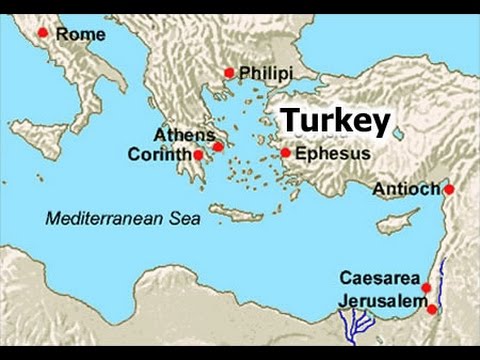
Ephesus was one of the most influential cities in the Roman province of Asia (Modern Turkey), a major port and commercial hub connected to trade routes across the empire. Its wealth and identity were strongly tied to religion, commerce and civic pride.
The city was famously devoted to the pagan goddess Artemis/ Diana, whose massive temple in Ephesus was considered one of the Seven Wonders of the ancient world. This made idol worship not only a religious practice but also an economic system- craftsmen, merchants, and temple-related trade were deeply dependent on it (Acts 19).
Ephesus was also known for widespread magical practices, amulets and occult traditions, reflecting a strong mix of superstition and philosophy within everyday life. Because of all of this, the spread of belief in Yeshua Messiah directly challenged both the religious and economic structures of the city, leading to significant opposition and unrest against believers.
Within this environment, Paul emphasizes spiritual discernment, unity between Jewish and Gentile believers, and walking in holiness rather than returning to former patterns of darkness. Believers in Ephesus are called to live distinctly in a city where identity, status, and livelihood are deeply connected to idol worship and cultural conformity.
-
Ephesians 1
Paul begins the letter to the Ephesians by grounding his message in the will and authority of God, as an emissary of Yeshua Messiah. From the opening blessing, he establishes that…
-
Ephesians 2
In Ephesians 1, Paul lays the foundation by lifting believers eyes to what God has done in Messiah: He chose them before the foundation of the world and redeemed them through…
-
Ephesians 3
In chapter 2, Paul established the foundation of unity: that those once far off and those near have both been brought into one new humanity in Messiah, breaking down the dividing…
-
Ephesians 4
In Chapter 3, it is revealed that the mystery that was hidden in former generations is now made known in Messiah Yeshua through the Ruach– namely, that the nations are not secondary…
-
Ephesians 5
In chapter 4, Paul urges believers to walk in a way which is worthy of the calling they have received, and defines how that unity must be lived out- through humility,…
-
Ephesians 6
Introduction In chapter 5, Paul describes life shaped by walking in love and light- covering marriage, mutual submission, and Messiah’s relationship to the assembly as the model for husband and wife.…